Block Wall Stucco and Paint in Queen Creek, AZ
Stucco turns gray block into a wall that matches the house, which is exactly what several Queen Creek HOAs ask for. Expect roughly $20 to $40 per foot added to the wall, and a finish that is only as good as the block and cure under it.
Block wall stucco in Queen Creek is usually about matching. Bare gray CMU reads as unfinished next to a stuccoed house, and community design guidelines often require the match outright. Paint alone is the cheaper option for a wall that only needs a color change, while stucco evens out the block texture and hides the coursing.
Why Queen Creek Block Walls Get Stucco
HOA rules are the biggest driver. The design guidelines of Cortina (revised 2010), Queen Creek Station (2015) and Ironwood Crossing (2020) all say a decorative or planter wall that is not made of stone or brick has to be painted and stuccoed to match the house. Cortina and Ironwood Crossing also cap those walls at 30 inches, with pillars to 36 inches.
The Town has its own finish rule for walls seen from a street: Section 5.2 of the Zoning Ordinance asks solid wall designs to use at least three materials, from a list that includes stone, brick, block and textured, split-face, single-score or integrally colored block. Stucco is not on that list, so ask the Town how a stuccoed street wall is counted before you rely on it as one of the three.
How Stucco Goes on a Block Wall
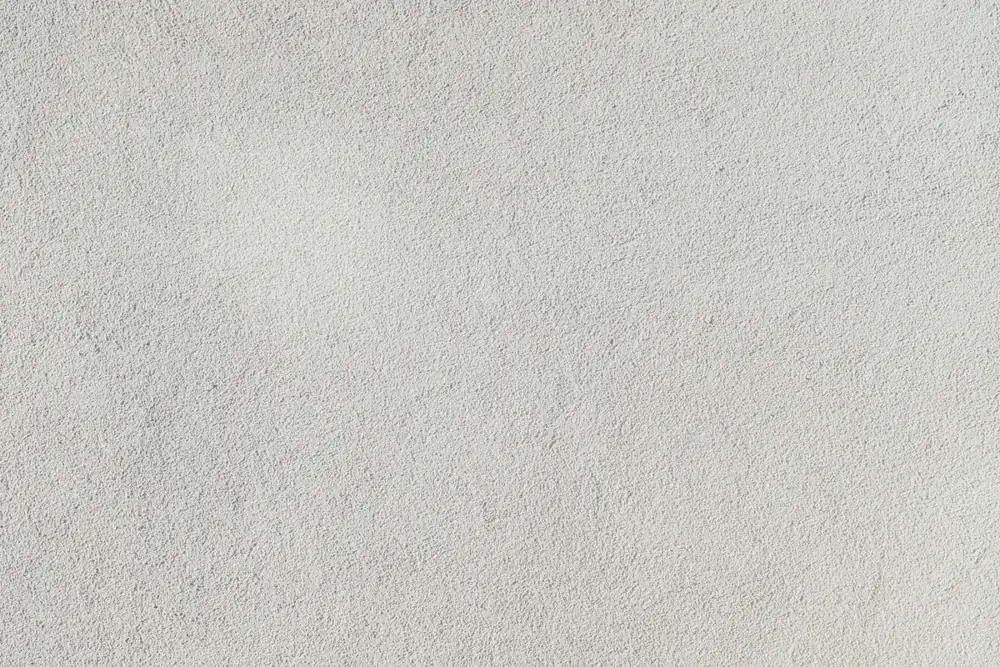
Two-coat cement plaster is the standard over concrete block. The Stucco Manufacturers Association's guide specification (2017) treats raw CMU as an excellent base: its suction gives the cement a key, so lath is optional at 1/2 to 5/8 inch total thickness and recommended only above that. The base coat goes on with enough pressure to bond, then the finish coat, which can be cement or acrylic.
- The block has to be sound, free of coatings and cured at least 28 days, and not soaked when plastering starts.
- Skip the sheet house wrap used on framed walls. On masonry it acts as a bond breaker; the plaster bonds directly to the block.
- Keep the base coat moist while it cures, by fogging or moist curing. The SMA singles out hot, dry and windy weather, which describes much of a Queen Creek summer.
- Avoid plastering very hot walls; in summer that usually means starting early in the day.
- A residential base coat should be flat within 1/4 inch in 8 feet.
- A thin brushed parge coat is not two-coat stucco and does not level the wall.
Painting Block or Stucco Walls
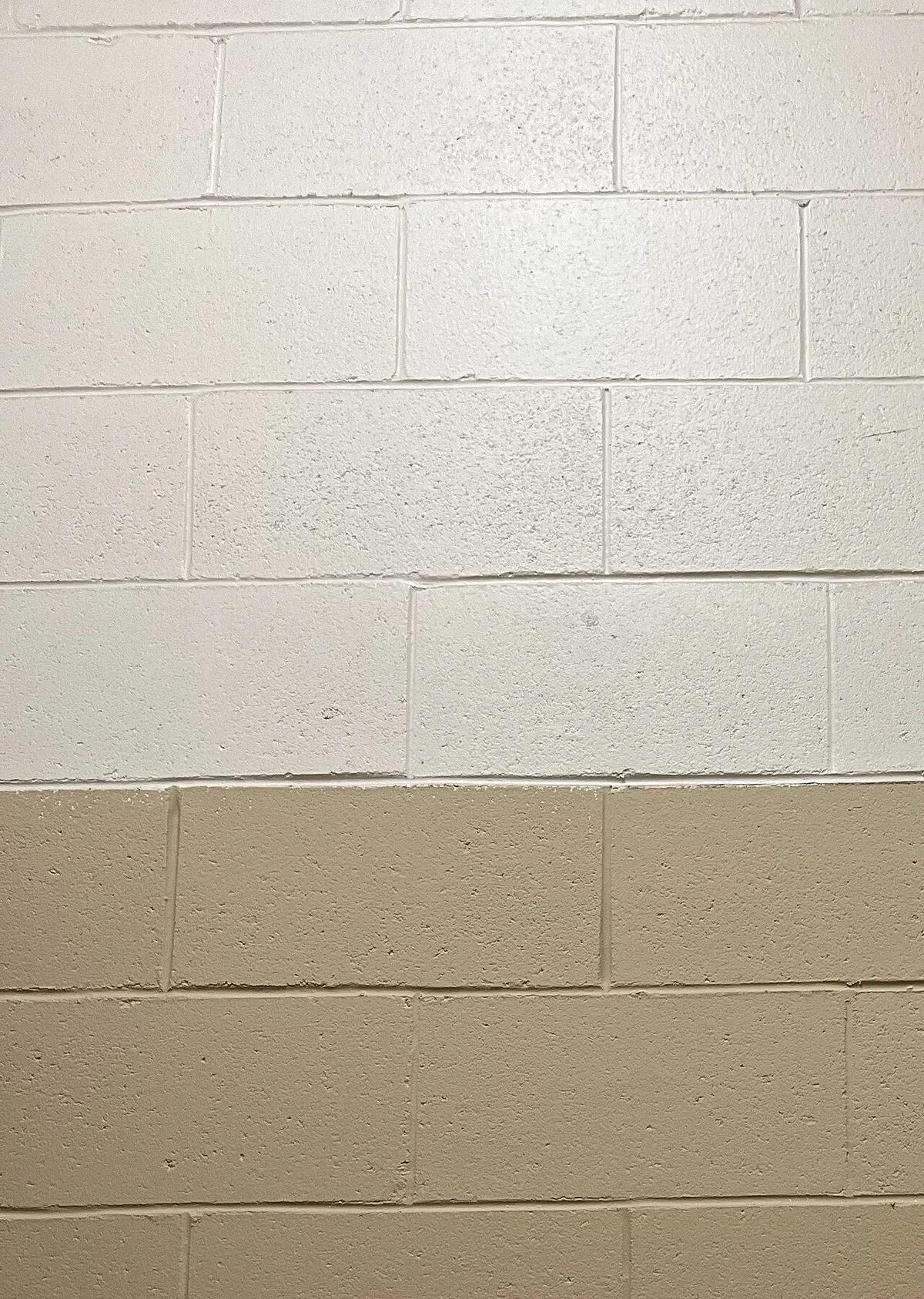
Paint is the lighter option when the block is in good shape and only the color is wrong. In an HOA the color is rarely your choice alone: guidelines commonly name the body color of the house or a list of approved colors, and Ironwood Crossing asks that every finish on a wall extension match the existing wall. Get the color approved before the painter buys anything. Block that is already painted needs the old coating removed or bonded properly before any stucco goes over it, because plaster needs a clean, absorbent surface.
Cracks in a Stuccoed Wall
Not every crack in stucco is a wall problem. Fine surface cracks in the finish are common in cement plaster, and the SMA publishes a separate crack policy for judging them. A crack that runs diagonally, steps across the face or keeps widening usually follows movement in the block below, and patching the stucco will not hold until the cause is fixed. The block wall repair guide covers how to read those.
Block Wall Stucco Questions
How much does it cost to stucco a block wall near Queen Creek?
New Era Masonry's July 2026 Phoenix guide puts stucco at roughly $20 to $40 per linear foot added to a block wall, and a stuccoed 6 foot wall at $85 to $130 per linear foot built new. Height, the number of faces finished, pilasters and the finish texture move the price.
Does stucco on a block wall need lath?
Not usually. The Stucco Manufacturers Association's two-coat specification says clean concrete block has enough suction and key for cement plaster, so a coat of about 1/2 to 5/8 inch can go straight on without lath. Plaster thicker than 5/8 inch should have lath, and a bonding agent helps on block that does not absorb well.
How long should a new block wall cure before stucco?
At least 28 days. The same specification asks for masonry that is sound, free of coatings and cured a minimum of 28 days, and not saturated when plastering starts, to reduce cracking.
Do Queen Creek HOAs require stucco on block walls?
Many do for decorative walls. Cortina, Ironwood Crossing and Queen Creek Station guidelines all say a decorative or planter wall that is not stone or brick has to be stuccoed and painted to match the house. Rear and side perimeter walls follow each community's own color and finish rules.
- Stucco Manufacturers Association: Guide Specification for 2-coat Portland Cement Plaster on Concrete or Masonry (2/2017)
- New Era Masonry: Cinder Block Wall Cost in Phoenix, 2026
- Cortina HOA Design Guidelines for Landscaping (rev. 2010)
- Queen Creek Station HOA Design Guidelines for Landscaping (2015)
- Town of Queen Creek Zoning Ordinance, Section 5.2
Stucco, paint and finish matching on block walls in Queen Creek, with a free quote.
Get a Free Estimate